
What are the roofing safety protocols we follow at Legacy Roofing to protect you, your home, and your neighbors? Today, we will share the exact steps we take to ensure safety for all stakeholders when we install new roofs!
A clean truck and a low price don’t mean a new roof or remodeling job is safe. Real roofing professionalism shows up in the safety steps taken before the first shingle comes off (which we are proud to follow). This article breaks down the roofing safety standards that protect your home, keep projects controlled, and separate careful contractors from risky ones.
Step 1: Pre-Project Roofing Safety Inspections Before Work Begins
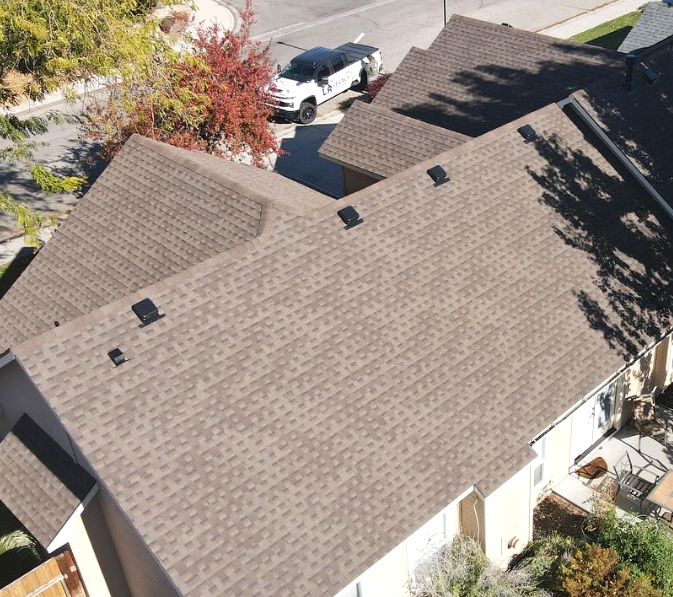
Most roofing mishaps happen before anyone even touches a shingle, as cliché as that might sound. The jobsite gets “set,” then something gets missed. A loose stepping stone on the ground while holding shingles, a power line too close to the roof, and a rotten deck section that won’t hold weight.
When you hire a professional roofing crew that treats the inspection like the first phase of the job, not a quick glance, you can rest knowing they follow safety protocols! Here is how Legacy Roofing does is:
Legacy Roofing pre-project safety inspection covers:
A proper inspection looks at three zones. The ground. The access points. The roof itself. Here is how our trained roofing crews and project managers prepare for new roof installations with regard to safety:
Ground-level checks
- Driveway and staging area for dumpsters, materials, and delivery trucks
- Soft spots in lawns that can sink ladders or equipment
- Sprinkler heads, irrigation lines, and low landscaping that can be crushed
- Patio furniture, grills, décor, and anything that can become a tripping hazard
- Walkways and entry doors to keep safe routes for your family
Access and perimeter checks
- Ladder placement areas and the safest path up and down
- Clearance from power lines and service drops
- Gate widths, fence lines, and tight side yards that affect material movement
- Areas where debris could fall and how they’ll be blocked off
Roof-surface checks
- Soft decking indicators and sagging zones
- Skylights, vents, and fragile components that need protection
- Steep sections and transition points where slips happen
- Valley areas where footing is tricky
- Existing damage that changes how tear-off can be done safely
What homeowners rarely hear, but should
Pre-project inspections are also about protecting the home’s structure. If the decking is compromised, you don’t want a crew discovering it mid-tear-off with the roof wide open and rain rolling in. Good crews plan for that risk before the first nail is pulled.
Here’s what should end up on a crew’s plan before work starts:
- Safe ladder locations
- Fall protection anchor points or tie-off plan
- No-go zones around the property
- Debris drop zones and protection layout
- Material staging spots
- Emergency access route
- Weather plan for sudden wind or rain
Inspection outcomes: what changes based on what they find
| What the inspection finds | What a professional crew does next | Why it protects your home |
|---|---|---|
| Soft decking or sagging areas | Adjusts walk paths and plans decking repair timing | Prevents falls and avoids structural damage |
| Tight access or fragile landscaping | Adds ground protection and changes staging location | Reduces property damage and cleanup issues |
| Power line clearance concerns | Changes ladder placement and work zones | Prevents electrocution and liability |
| Heavy foot-traffic areas | Sets barriers and safe walk routes | Keeps kids, pets, and visitors out of danger |
| Steep sections or tricky transitions | Plans extra fall protection and slower workflow | Reduces slip risk and rushed mistakes |
Fall Protection Systems Used on Every Roof
If there’s one safety standard that separates pros from “good luck up there,” it’s fall protection. Falls are the biggest risk in roofing, and they don’t just hurt workers. They can damage your home, gutters, cars, landscaping, and finances if liability gets messy.
Fall protection isn’t one item. It’s a system. And it changes based on roof type, pitch, and job conditions. Most professional setups include:
- Roof anchors or tie-off points
- Harnesses and lifelines
- Rope grabs or shock-absorbing lanyards
- Guardrails or warning lines in specific situations
- Controlled access zones where only trained crew can enter
The point is simple. If someone slips, the system stops the fall before it becomes a catastrophe.
What changes the fall protection plan
Not every roof gets the same setup depending on the style, height, and layout. When the pitch is different or even the surface is unique, we have to adjust our plans. Here are the factors that shift fall protection plans:
- Roof pitch and height
- Surface type and traction
- Number of roof planes and transitions
- Weather and wind conditions
- Where crew members must work most often
Common fall protection approaches by roof situation
| Roof situation | Typical protection approach | Why it’s used |
|---|---|---|
| Standard residential pitch | Anchors + harness + lifeline | Reliable baseline protection |
| Steeper roof sections | Additional anchor points + shorter tie-offs | Limits swing risk and increases control |
| Multiple valleys and transitions | Repositioned anchors as work moves | Keeps tie-off effective at all times |
| Fragile roof features | Marked no-step zones + redirected walk paths | Prevents accidental falls through weak areas |
| Windy conditions | Reduced exposure time + tighter work zones | Prevents loss of footing and tool hazards |
What homeowners should expect to see
If you look up during the project, you should notice:
- Crew members tied off when working in exposed areas
- Anchors installed and used correctly
- Work pace carefully on steep or high sections
- Clear boundaries near roof edges
Secure Ladder Placement and Access Control
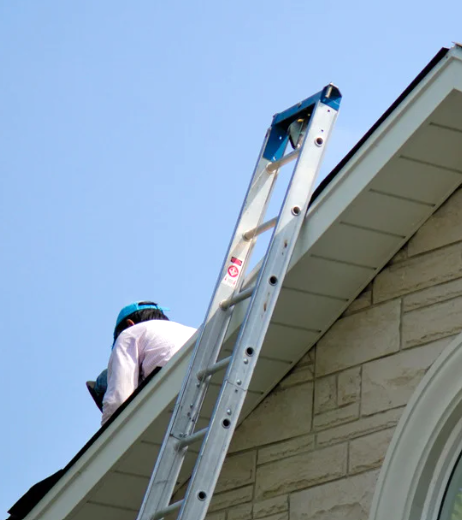
Ladders look simple. They’re not. Most jobsite injuries start with improper ladder setup, and when that happens, the damage doesn’t stop with the fall. Gutters get crushed. Siding gets dented. Windows get cracked. That’s why professional roofing crews treat ladder placement as a calculated decision, not a convenience.
Before any ladder goes up, crews evaluate ground stability, slope, and clearance. Soft soil gets reinforced. Uneven ground gets leveled. Ladders are set at the correct angle and secured at the top and bottom to prevent shifting once foot traffic begins. The goal is to make access predictable and repeatable, not improvised.
Access control matters just as much. A roofing job changes how people move around your home. Entry points are defined. Work zones are clearly marked. Areas where debris could fall are blocked off. This isn’t about keeping workers safe alone. It’s about keeping homeowners, kids, pets, and visitors out of harm’s way while the project is active.
| Risk Area | How Professionals Control It | Why It Matters |
|---|---|---|
| Ladder base | Stabilized and secured | Prevents sudden slips |
| Roof access point | Limited and monitored | Reduces congestion and mistakes |
| Ground pathways | Clearly marked | Keeps foot traffic away from hazards |
| Work perimeter | Barriers or warnings | Protects people below |
Weather Monitoring and Jobsite Adjustments
Roofing doesn’t ignore weather. It plans around it. Wind, heat, and sudden storms don’t just slow work down. They change how materials behave and how safe the roof surface is underfoot. A professional crew treats weather as a constant variable, not an afterthought.
Crews monitor forecasts daily and adjust schedules accordingly. High winds can turn tools into hazards. Extreme heat increases fatigue and reduces grip. Rain introduces slip risks and moisture exposure that can compromise installation quality. When conditions shift, professional crews pause, reposition, or reschedule instead of forcing progress.
This flexibility protects the home as much as the workers. Rushing during poor conditions often leads to misaligned materials, exposed areas, or rushed sealing work. Stopping at the right time prevents water intrusion, uneven installs, and damage that doesn’t show up until months later.
Weather-aware crews don’t just ask, “Can we work?”
They ask, “Should we?” That distinction keeps projects controlled rather than reactive.
Equipment and Tool Safety Protocols
Roofing tools are powerful by design. Nail guns, cutters, and lifting equipment make the job possible, but only when they’re handled with discipline. Professional crews don’t assume tools are safe just because they worked yesterday. Every day starts with checks.
Equipment is inspected for wear, damage, and proper function before use. Safety guards are verified. Air pressure and power settings are adjusted to the task at hand. Tools not in use are secured, not left scattered across the roof where they can slide, fall, or cause injury.
Tool safety also affects installation quality. Misfiring nail guns lead to improper fastening. Dull cutting tools cause rough edges and rushed corrections. Sloppy tool handling often results in damage to shingles, flashing, or surrounding property.
Professional standards focus on control:
- Tools are staged intentionally
- Cords and hoses are managed to avoid tangles
- Equipment is handled by trained crew members only
When tools are respected, the job stays precise. When they aren’t, mistakes multiply.
Equipment safety isn’t about slowing the job down. It’s about keeping the work clean, accurate, and incident-free from start to finish.
Material Handling and Disposal Standards
Roofing materials are heavier, sharper, and more awkward than most homeowners realize. Mishandling them doesn’t just risk injuries. It damages siding, cracks concrete, and leaves hazards behind long after the crew leaves. Professional crews treat material movement as a controlled operation, not a free-for-all.
From delivery to tear-off, materials are staged deliberately. New products are placed where they won’t block walkways or overload one area of the roof. Old roofing is removed in sections, not tossed randomly. Disposal zones are clearly defined so debris doesn’t migrate across the property.
What separates professional handling from careless work is pacing. Crews move materials in manageable loads, maintain balance on the roof, and secure loose items before wind can shift them. This approach protects gutters, windows, vehicles, and landscaping while keeping the jobsite orderly.
| Handling Stage | Professional Standard | Homeowner Benefit |
|---|---|---|
| Delivery | Staged away from traffic areas | Prevents driveway and lawn damage |
| Tear-off | Controlled removal zones | Reduces flying debris |
| Disposal | Designated drop areas | Keeps property clean and safe |
| Cleanup | Ongoing, not end-only | Fewer hazards during the job |
Crew Training and On-Site Supervision
Safety standards only work if people enforce them. That’s why training and supervision matter more than brand-new equipment. Professional crews aren’t just told what to do once. They’re trained repeatedly, monitored daily, and corrected immediately when standards slip.
Experienced crews understand how to move across roofs without stressing weak points. They know when to slow down, when to reposition, and when to stop altogether. Supervisors ensure those decisions happen consistently, not just when it’s convenient.
On-site supervision also keeps the project aligned with the plan. If conditions change, supervisors adjust workflow before small issues cascade into bigger ones. This oversight reduces rushed work, miscommunication, and shortcuts that often show up later as leaks or callbacks.
Final Safety Checks and Post-Job Cleanup
The job isn’t finished when the last shingle goes on. It’s finished when the property is safe again. Final safety checks exist to catch what routine work can miss, especially after a long project.
Crews perform detailed walkthroughs of the roof and the ground below. Nails are collected using magnetic sweeps. Gutters, walkways, and landscaping are checked for debris. Entry points are cleared. The goal is to return the home to normal without hidden hazards left behind.
This final step protects families long after the crew leaves. Loose nails, sharp fragments, or leftover materials can cause injuries days or weeks later if they’re missed. A professional cleanup treats safety as ongoing, not just during active work hours.
Final checks typically include:
- Ground-level sweeps around the entire home
- Visual inspection of roof edges and transitions
- Confirmation that all materials and tools are removed
- A final walk-through to confirm the property condition
A roofing project should end quietly. When cleanup and safety checks are done right, the only reminder of the work is a finished roof, not lingering risk.
Final Word on Roofing Safety in Boise
While there are plenty of jokes about OSHA, it is important to point out that since 1971, the worker deaths in the United States have dropped from 38 per day to 14. One of the biggest reasons for this drop?
Hazard prevention and safety training. By eliminating hazards, planning ahead, and following safety protocols, the chances of roofing-related worker injuries go down. And this is good for all! Here at Legacy Roofing, we don’t play around when it comes to the safety of our workers and your home!
Which is one of the reasons we are a top-rated Boise roofing company! When hiring a roofer, always ask about the steps they take to safely protect you and your home!
 7 Tips to Help Enhance the Outside of Your Home